The Early Months: A Crucial Time for German Shepherd Puppies

German Shepherd puppies are known for their intelligence, loyalty, and protective nature. At 3 months old, these puppies are in a crucial stage of development. It is during this period that their personalities start to shine through, and they begin to learn important socialization skills.
Physical Development of German Shepherd Puppies
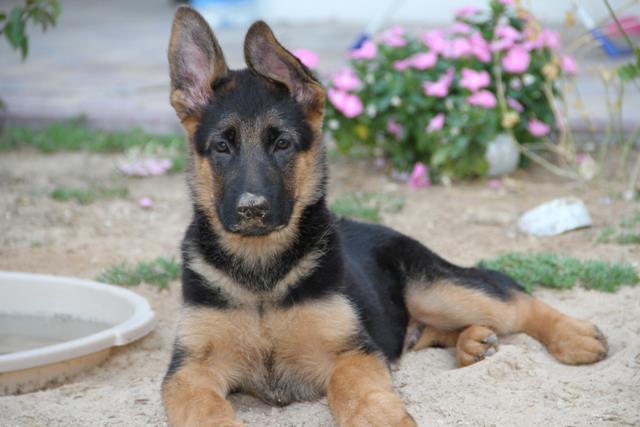
By 3 months old, German Shepherd puppies have already gone through significant physical changes. They have grown considerably in size and weight since birth, and their bodies continue to develop rapidly. Their legs are becoming stronger, allowing them to explore the world around them with more confidence.
Their coat, which is typically thick and double-layered, may start to change slightly in texture and color. This is also the time when their adult teeth begin to emerge, replacing their milk teeth. It is essential to provide appropriate chew toys to help soothe their teething discomfort and prevent them from chewing on inappropriate objects.
Socialization and Training

Socialization is crucial during this period, as it helps German Shepherd puppies develop into well-rounded and confident dogs. Exposing them to different environments, people, animals, and sounds will help prevent fear or aggression issues later in life. Positive reinforcement-based training should also begin at this stage to instill good behavior and basic commands.
It's important to remember that German Shepherds are highly intelligent and energetic dogs, requiring mental and physical stimulation. Engaging them in puzzle toys, obedience training, and supervised playtime will help keep their minds sharp and prevent boredom.
Feeding and Health Care

A well-balanced diet is crucial for the proper growth and development of German Shepherd puppies. At 3 months old, they should be eating a high-quality puppy food formulated specifically for large breeds. Consult your veterinarian for personalized feeding recommendations based on your puppy's weight and activity level.
Regular veterinary check-ups are essential during this stage to ensure your puppy's health. Vaccinations and deworming schedules should be followed diligently to protect them from common diseases. Additionally, grooming sessions should be introduced to familiarize them with being handled and to maintain their coat's cleanliness.
Exercise and Playtime
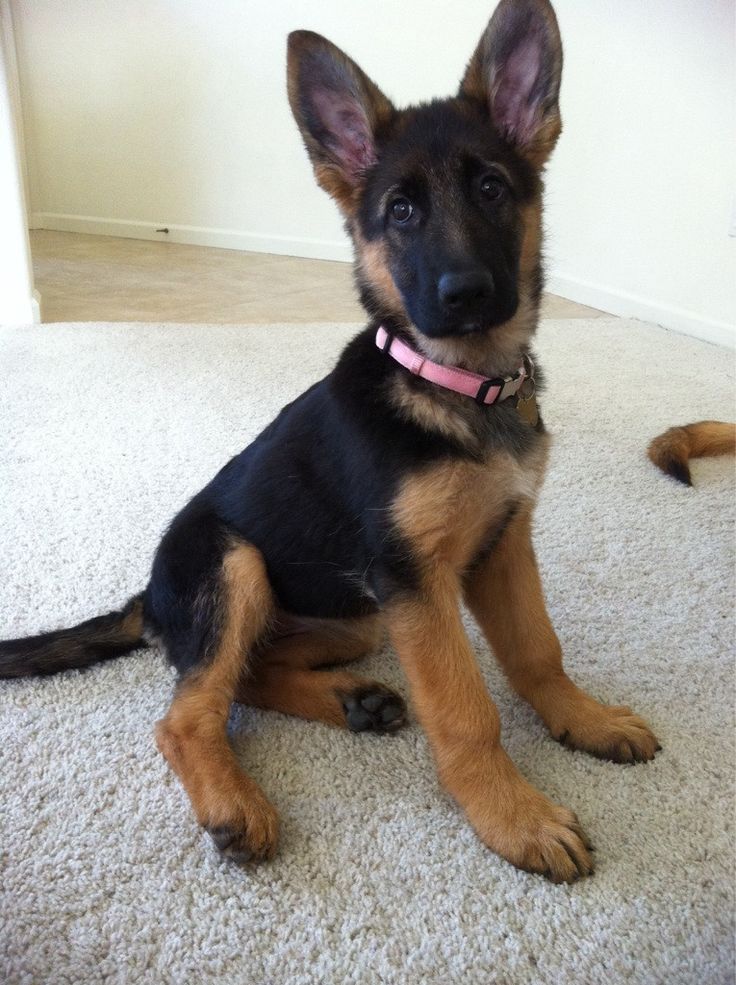
German Shepherd puppies have high energy levels, and regular exercise is crucial for their physical and mental well-being. However, it's important to strike a balance and avoid excessive exercise that may strain their developing joints.
Structured walks, interactive games, and supervised play sessions with other well-socialized dogs can help burn off their energy in a controlled manner. Mental stimulation through obedience training and puzzle toys will also tire them out and prevent behavioral issues stemming from boredom.
Caring for Your German Shepherd Puppy's Emotional Well-being
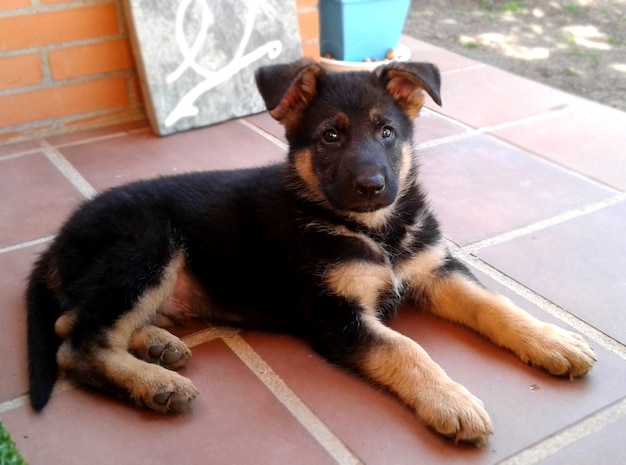
German Shepherds are incredibly loyal and thrive on strong bonds with their human companions. Providing them with a loving and consistent environment is crucial for their emotional well-being. Spend quality time with your puppy, engaging in positive interactions and gentle training exercises.
Creating a safe and comfortable space for your puppy, such as a crate or a designated area, can help them feel secure. Avoid leaving them alone for extended periods, as they may become anxious or develop separation anxiety.
Giving Your German Shepherd Puppy a Lifetime of Love

Owning a German Shepherd puppy is a long-term commitment, and they thrive in an environment where they are loved, cared for, and provided with mental and physical stimulation. With proper training, socialization, and health care, your German Shepherd puppy will grow into a loyal and well-behaved adult dog.
Remember to consult with your veterinarian or a professional dog trainer for personalized advice based on your puppy's unique needs. Enjoy the journey of raising a German Shepherd puppy and cherish the bond you will develop with your furry friend!
