
Introduction
German Shepherd puppies are adorable and playful creatures that bring joy to any household. However, their behavior at night can sometimes be challenging for new owners. In this article, we will explore the various aspects of German Shepherd puppies' behavior at night and provide valuable insights into their care during these hours.
Understanding Nocturnal Behavior

German Shepherd puppies, like many other dog breeds, have a natural inclination towards nocturnal behavior. This means they are more active during the night and tend to sleep during the day. Understanding this natural behavior is crucial for providing appropriate care and ensuring a harmonious routine for both the puppy and the owner.
Sleeping Arrangements

Creating a comfortable and secure sleeping environment for your German Shepherd puppy is essential. Provide a cozy bed or crate in a quiet area of your home where they can retreat at night. This will help them feel safe and promote better sleep quality.
Establishing a Bedtime Routine

Consistency is key when it comes to establishing a bedtime routine for your German Shepherd puppy. Set a specific time for going to bed and follow the same sequence of activities every night. This routine will signal to your puppy that it's time to wind down and prepare for sleep.
Physical and Mental Stimulation

Engaging your German Shepherd puppy in physical and mental activities during the day can help reduce their nighttime restlessness. Make sure they get plenty of exercise, playtime, and mental stimulation. This will help tire them out and contribute to a more peaceful night's sleep.
Avoiding Evening Feeding

Feeding your German Shepherd puppy a few hours before bedtime is recommended to prevent any discomfort or digestive issues during the night. Avoid feeding them right before sleep, as this may lead to restlessness or the need for bathroom breaks at inconvenient times.
Nighttime Bathroom Breaks

German Shepherd puppies have smaller bladders and may need to relieve themselves during the night. Take them outside for a quick bathroom break before you go to bed and again in the early morning. This will help minimize accidents inside the house and promote good potty training habits.
Minimizing Distractions

Creating a calm and quiet environment is crucial for your German Shepherd puppy's sleep. Minimize any potential distractions such as loud noises, bright lights, or excessive activity during the night. This will help them settle down and have a more restful sleep.
Separation Anxiety
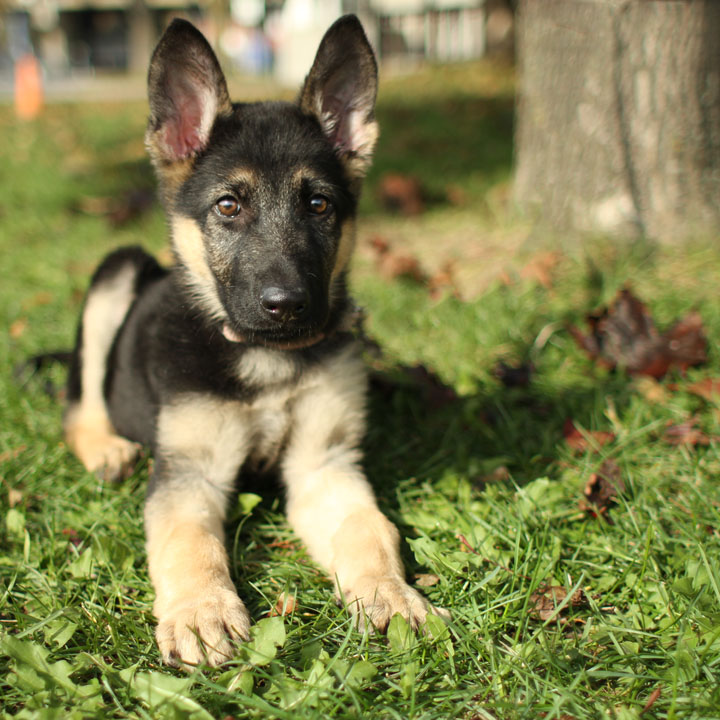
German Shepherd puppies are known for their loyalty and attachment to their owners. Separation anxiety can be a common issue, especially during the night when they may feel isolated. Gradually introduce them to the concept of being alone by practicing short separations and providing comforting toys or blankets.
Comforting Techniques

If your German Shepherd puppy becomes anxious or restless at night, there are several comforting techniques you can try. Providing a soft blanket, playing soothing music, or using a calming pheromone diffuser might help them feel more secure and relaxed.
Seeking Professional Advice

If your German Shepherd puppy's nighttime behavior continues to be problematic or you have concerns about their well-being, it's always wise to seek professional advice. Consult with a veterinarian or a professional dog trainer who can provide personalized guidance based on your puppy's specific needs.
Conclusion
In conclusion, understanding and addressing the nighttime behavior of German Shepherd puppies is essential for their well-being and a harmonious coexistence with their owners. By establishing a consistent routine, providing a comfortable sleeping environment, and addressing any anxiety or restlessness, you can ensure a good night's sleep for both you and your furry friend.
