
Introduction
German Shepherd puppies are adorable and fascinating creatures that bring joy and excitement to any household. At four months old, these puppies are at a crucial stage of their development. In this article, we will explore the various aspects of German Shepherd puppies at 4 months, including their physical and mental growth, training needs, and health considerations.
Physical Development

At four months, German Shepherd puppies experience significant growth and changes in their physical appearance. They are becoming more robust and muscular, with their adult coat starting to develop. Their ears, which were floppy before, start to stand erect, giving them that iconic German Shepherd look. It's important to provide them with a balanced diet to support this rapid growth and ensure their bones and muscles develop properly.
Socialization

Socialization is crucial for German Shepherd puppies at this stage. They should be exposed to various people, animals, and environments to help them become well-rounded and confident adults. Introduce them to different sounds, sights, and experiences in a positive and controlled manner. This exposure will help prevent fear or aggression issues in the future. Puppy socialization classes can also be beneficial, providing a safe environment for them to interact with other dogs and people.
Training
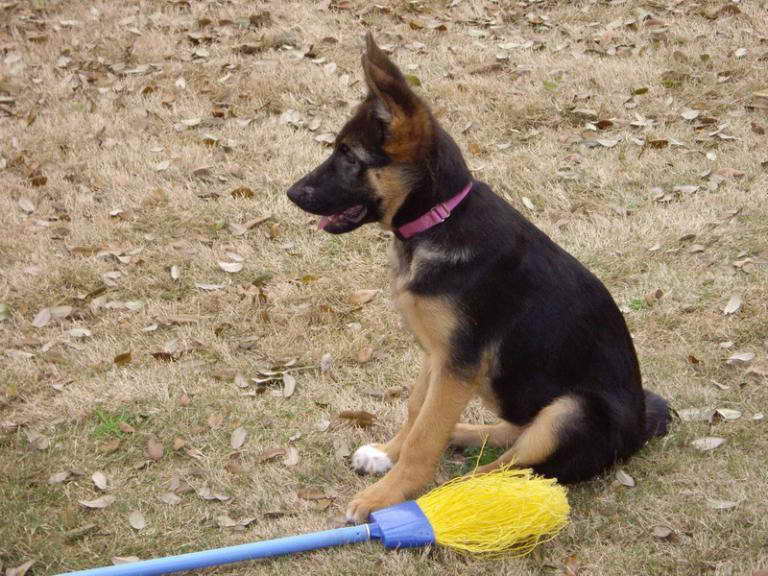
Training is essential for German Shepherd puppies at four months old. They are highly intelligent and eager to learn, making it an ideal time to start basic obedience training. Focus on teaching them commands like sit, stay, and come. Positive reinforcement techniques work best with German Shepherds, so reward them with treats, praise, and playtime when they exhibit desired behaviors. Consistency and patience are key to successful training.
Exercise Needs

German Shepherd puppies require regular exercise to channel their energy and maintain their physical and mental well-being. At four months, they can handle slightly longer walks, but be cautious not to overexert them. Engage them in interactive play sessions and provide mental stimulation through puzzle toys or obedience training. Remember that exercise should be age-appropriate and gradually increased as they grow.
Diet and Nutrition

A balanced diet is essential for the healthy development of German Shepherd puppies. At four months old, they should be transitioned from puppy food to a high-quality, age-appropriate dog food. Consult with your veterinarian to determine the right feeding schedule and portion sizes. Avoid overfeeding or free-feeding, as German Shepherds are prone to obesity. Provide them with fresh water at all times to keep them hydrated.
Grooming

German Shepherd puppies have a dense double coat that requires regular grooming to keep it healthy and clean. Brush their coat at least once a week to remove loose hair and prevent matting. Pay extra attention to their ears, as they are prone to infections. Trim their nails regularly, brush their teeth, and check for any signs of skin issues or parasites. Start grooming routines early to help them get accustomed to the process.
Health Considerations

German Shepherd puppies, like all breeds, have specific health considerations that need attention. Regular veterinary check-ups, vaccinations, and preventive treatments for parasites are essential. At four months, they may require additional vaccinations to protect them from various diseases. Watch out for any signs of illness, such as diarrhea, vomiting, or loss of appetite, and consult your vet promptly if you notice any concerning symptoms.
Conclusion
German Shepherd puppies at four months old are at a crucial stage of their development. They require proper socialization, training, exercise, and nutrition to grow into well-behaved and healthy adult dogs. By providing them with love, care, and guidance, you can ensure that your German Shepherd puppy thrives and becomes a cherished member of your family.
