Introduction
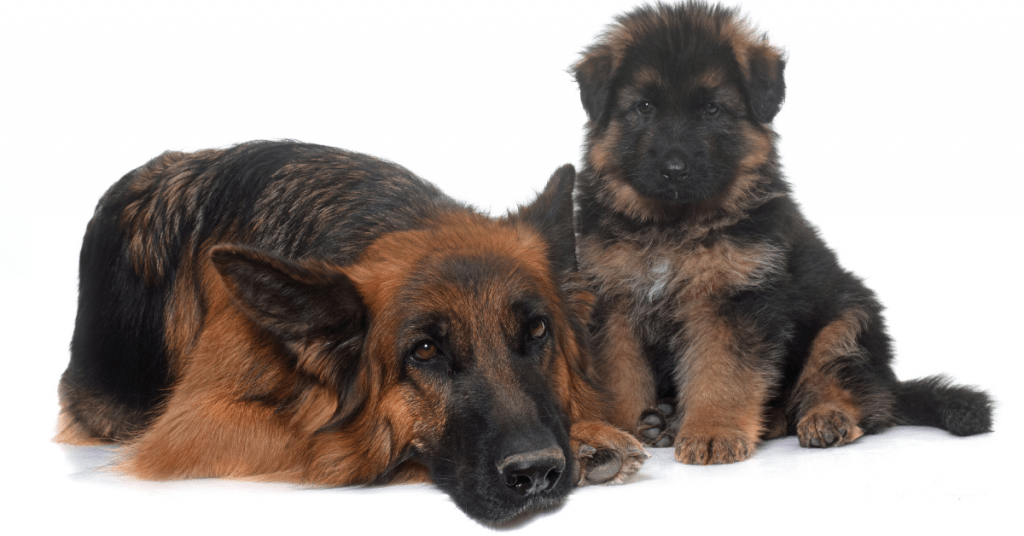
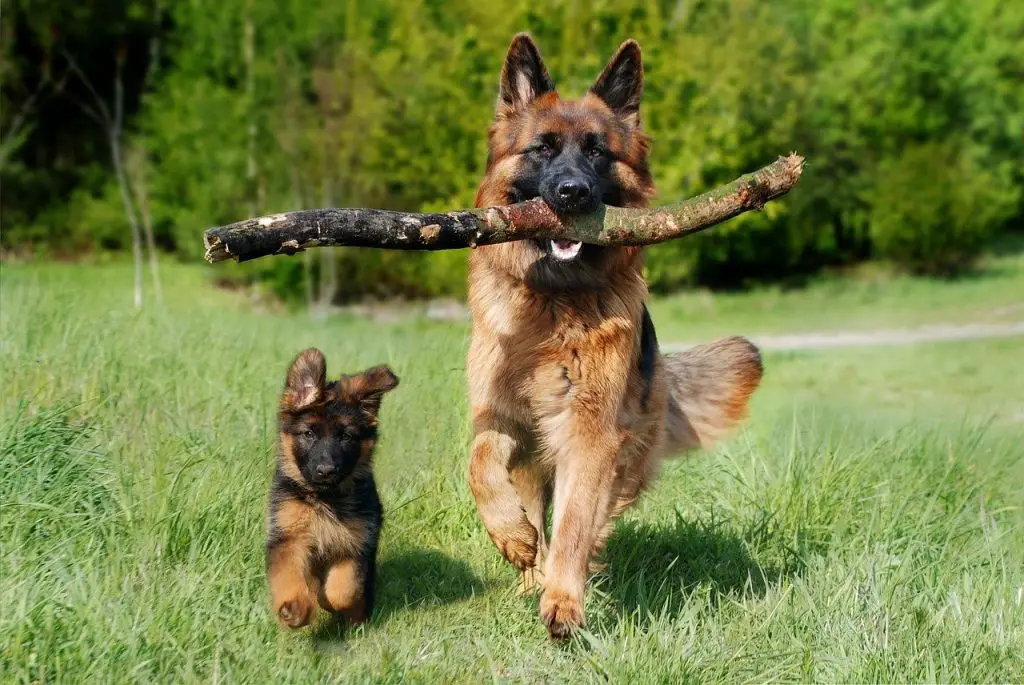
German Shepherds are known for their intelligence, loyalty, and versatility. From their adorable puppyhood to their majestic adulthood, these dogs never fail to capture our hearts. In this article, we will take a closer look at the journey of German Shepherd puppies as they grow into strong and confident adults.
Birth and Early Development
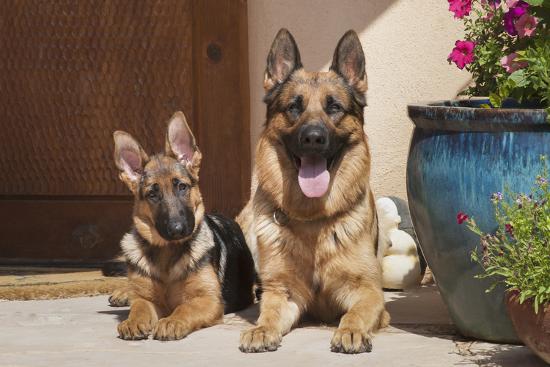
German Shepherd puppies are born with closed eyes and floppy ears. They heavily rely on their sense of touch and smell during their early days. The mother plays a crucial role in their development by providing warmth, nutrition, and socialization. Puppies start opening their eyes after about 10-14 days, and their ears gradually become more erect.
Socialization and Training
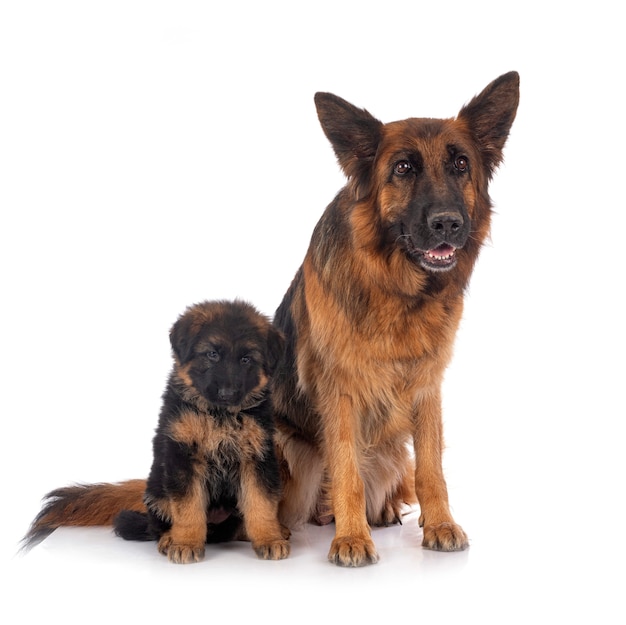
During the first few weeks, it is essential to expose German Shepherd puppies to various sights, sounds, and experiences to ensure proper socialization. This helps them grow into confident and well-adjusted adults. Basic obedience training should also begin early, focusing on commands such as sit, stay, and come.
Physical and Mental Growth

As German Shepherd puppies grow, they undergo significant physical and mental changes. Their bones and muscles develop, and their energy levels increase. Regular exercise and a balanced diet are crucial to support their growth and maintain their overall health. Mental stimulation through puzzle toys and training exercises is also essential to keep their intelligent minds engaged.
Adolescence and Training Challenges

During adolescence, German Shepherds may experience a rebellious phase characterized by testing boundaries and challenging authority. Consistent training and positive reinforcement techniques are vital during this stage to establish a strong bond and reinforce desired behaviors. Patience and understanding are key when dealing with these temporary challenges.
Adult German Shepherds
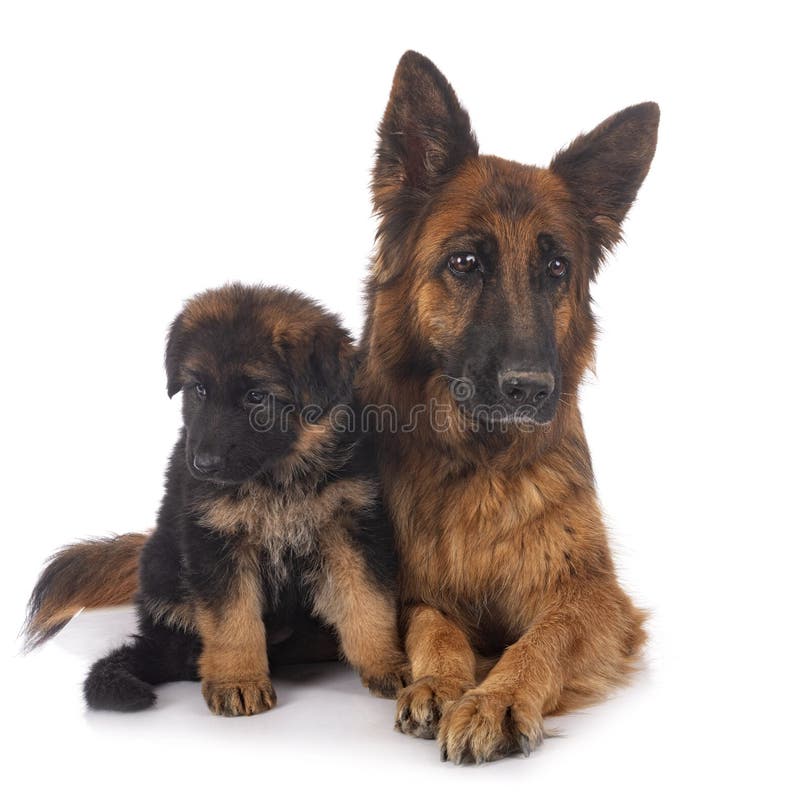
By the age of two, German Shepherds are considered adults. They have reached their full size and have developed a confident and protective nature. Adult German Shepherds require regular exercise, mental stimulation, and a balanced diet to thrive. They are known for their loyalty and make excellent family pets, working dogs, and service animals.
Health Considerations
German Shepherds, like any other breed, are prone to certain health issues. Common concerns include hip dysplasia, elbow dysplasia, and degenerative myelopathy. Regular veterinary check-ups, a nutritious diet, and appropriate exercise can help prevent or manage these conditions. Responsible breeders perform health screenings to minimize the risk of genetic diseases.
Grooming Needs

German Shepherds have a dense double coat, which requires regular brushing to remove loose fur and prevent matting. They shed moderately throughout the year and experience heavier shedding twice a year, known as "blowing their coat." During these periods, more frequent brushing is necessary. Bathing should be done as needed to keep their coat clean and healthy.
Conclusion
German Shepherd puppies grow into magnificent adult dogs with proper care, training, and socialization. Their journey from birth to adulthood is filled with milestones and challenges. By understanding their needs and providing the necessary support, we can ensure that these loyal and intelligent companions live a happy and fulfilling life by our side.
