Introduction
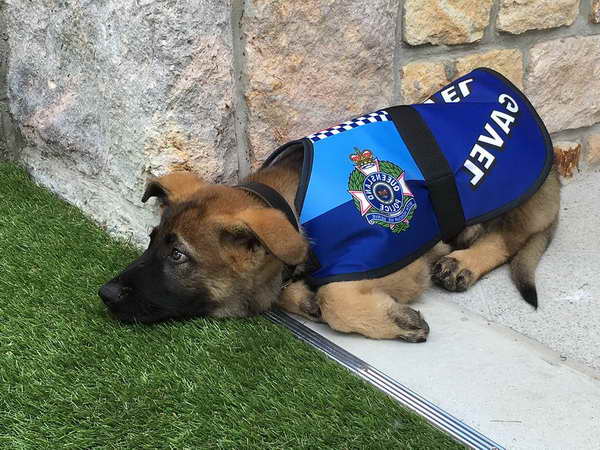
German Shepherds are renowned for their intelligence, loyalty, and versatility. These qualities make them an ideal choice for police work, including search and rescue, tracking, and narcotics detection. In this article, we will explore the process of training German Shepherd puppies to become valuable assets in law enforcement.
Choosing the Right Puppy
When selecting a German Shepherd puppy for police training, it is crucial to consider certain traits. The puppy should exhibit confidence, curiosity, and a willingness to engage with their surroundings. Additionally, a good candidate should have a strong drive for play and possess a balanced temperament.

Building a Foundation
Training a German Shepherd puppy for police work starts with establishing a strong foundation. Basic obedience commands such as sit, stay, come, and heel are essential. These commands create a framework upon which more advanced skills can be built.

Socialization and Exposure
Proper socialization is vital for police dogs. German Shepherd puppies need to be exposed to various environments, people, and animals to ensure they are adaptable and comfortable in different situations. Controlled encounters with strangers and unfamiliar objects help develop their confidence and reduce anxiety.

Tracking and Scent Work
German Shepherds possess an exceptional sense of smell, making them highly proficient in tracking and scent work. Training exercises that encourage the development of this skill involve introducing the puppy to different scents and teaching them to follow a specific scent trail.
Bite Work and Protection Training
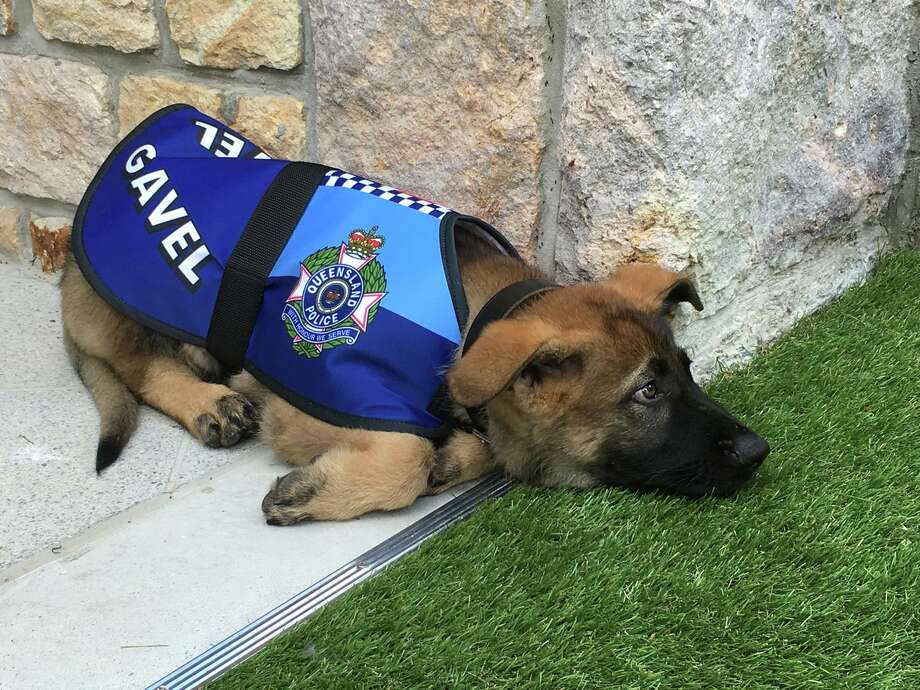
One of the crucial aspects of police dog training is bite work and protection training. German Shepherds naturally have a protective instinct, and this can be honed through specialized training. Professionals use bite sleeves and bite suits to teach the puppies to apprehend and subdue suspects.

Discipline and Focus
Discipline and focus are essential qualities for a police dog. German Shepherd puppies are taught to maintain concentration on their handler's commands and to follow instructions regardless of distractions. Regular training sessions, which include obedience exercises, help reinforce discipline and focus.

Physical Conditioning
Police work can be physically demanding, so German Shepherd puppies must undergo physical conditioning. Exercise routines that include endurance training, agility exercises, and obstacle courses help develop their strength, stamina, and flexibility.

Continued Training and Evaluations
Training for police work is an ongoing process. German Shepherd puppies need continuous training and evaluations to ensure they maintain their skills and stay up-to-date with new techniques. Regular assessments help identify areas that require improvement and allow for targeted training.

Conclusion
German Shepherd puppies have the potential to excel in police work due to their intelligence, loyalty, and versatility. With proper training and socialization, these puppies develop into valuable assets for law enforcement agencies. The dedication and effort put into their training ensure that they can carry out their duties effectively, making our communities safer.
