
Introduction
Training pitbull puppies is an essential part of raising a well-behaved and obedient dog. With proper training, these adorable puppies can grow up to be loyal, loving, and well-mannered pets. In this article, we will explore some effective training techniques that can help you shape your pitbull puppy's behavior and ensure a harmonious relationship.
Start Early
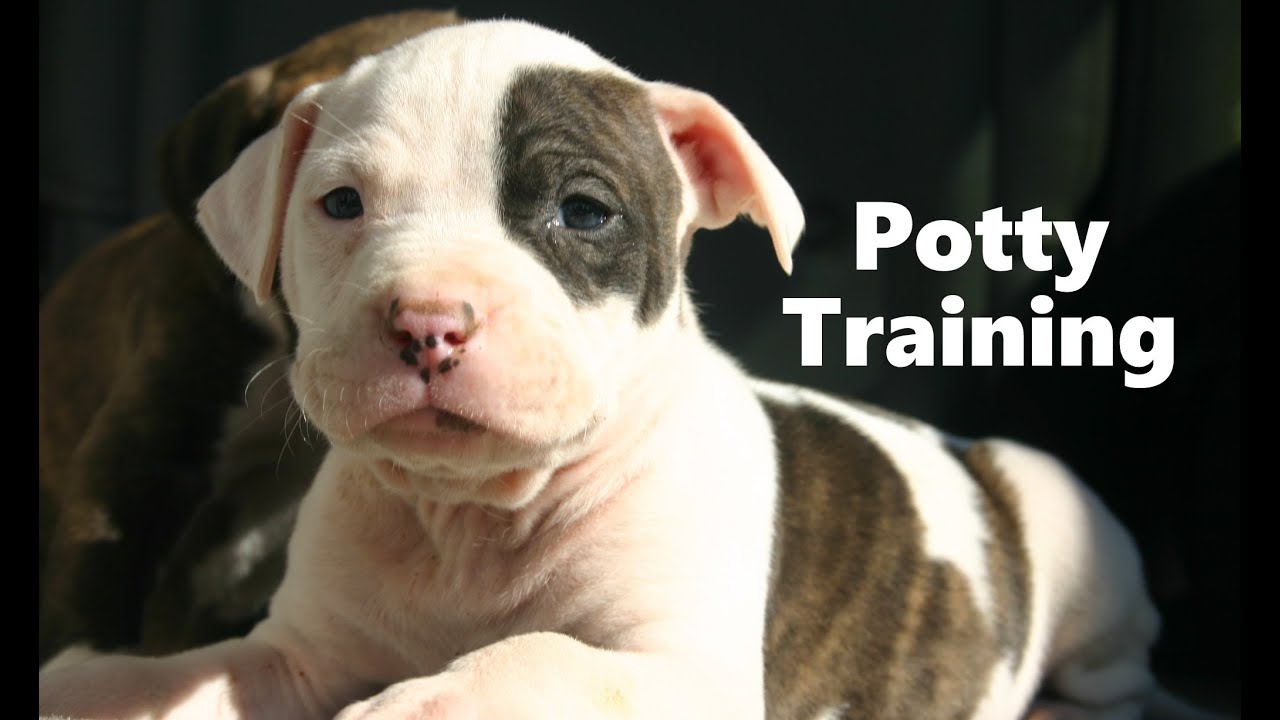
Early socialization and training are crucial for pitbull puppies. Begin their training as soon as you bring them home, ideally between the ages of 8 to 12 weeks. This early start will help them develop good habits and prevent behavioral issues later on. Remember, consistency and patience are key when training your pitbull puppy.

Basic Commands
Teaching basic commands like sit, stay, come, and down is fundamental for pitbull puppies. These commands establish your position as the leader and create a structure for your puppy to follow. Use positive reinforcement techniques such as treats, praise, and rewards to encourage them to learn these commands.
House Training
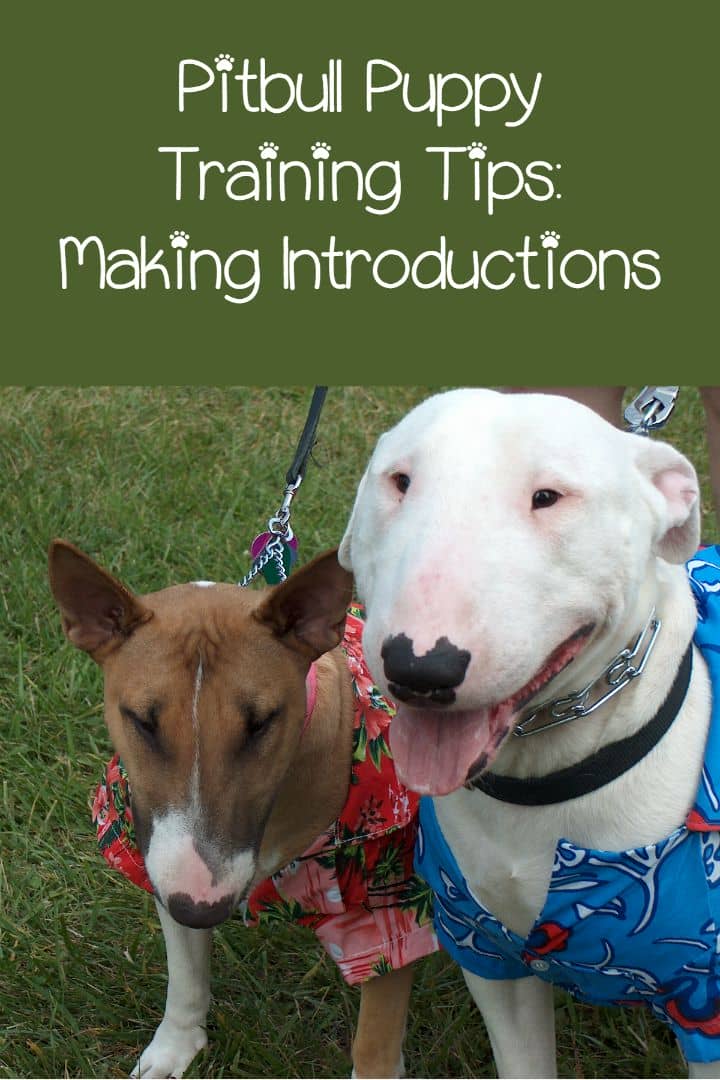
Proper house training is essential to prevent accidents and establish good habits. Start by designating a specific spot for your pitbull puppy to relieve themselves outside. Take them to this spot consistently after meals, naps, and playtime. Reward them with praise and treats when they eliminate in the designated area.

Leash Training
Leash training is crucial for pitbull puppies to prevent pulling and ensure their safety during walks. Introduce them to the leash gradually, allowing them to get familiar with the sensation. Start with short walks and gradually increase the duration. Use positive reinforcement and treats to reward them for walking calmly by your side.
Crate Training
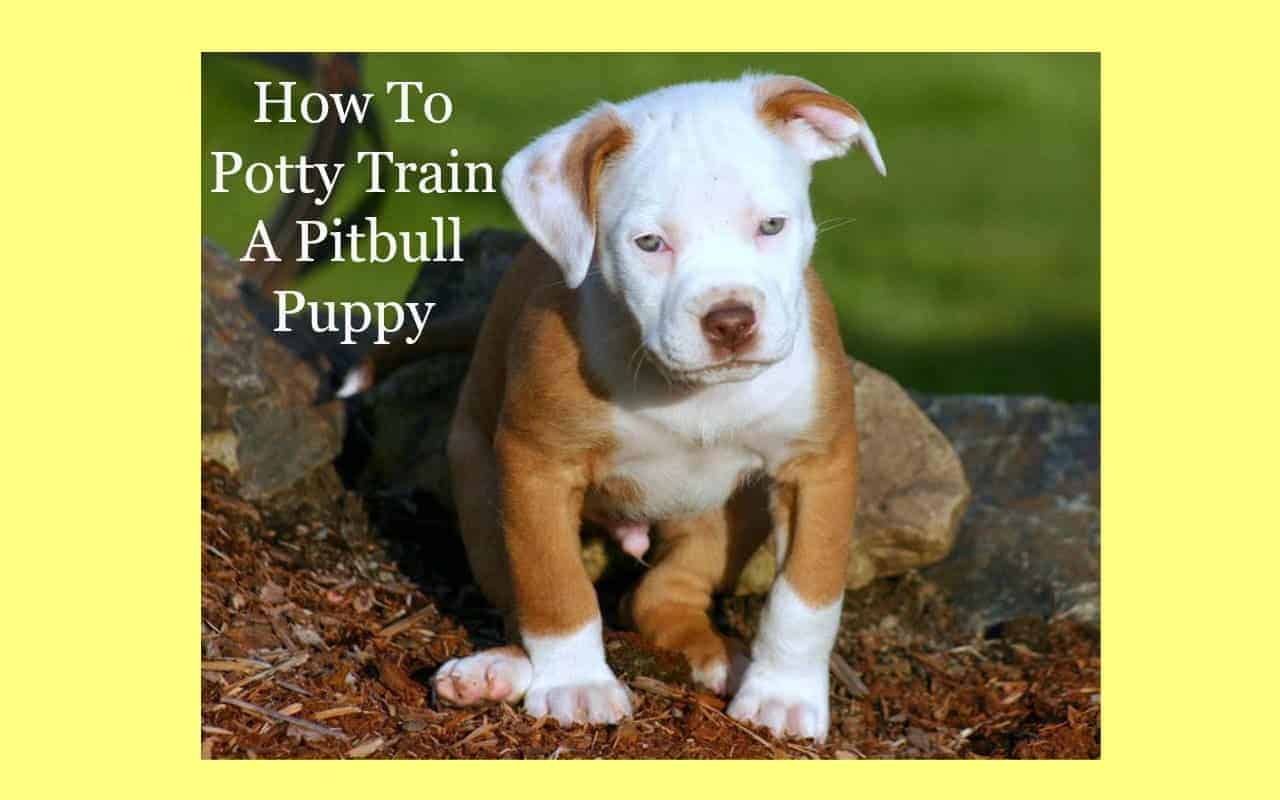
Crate training provides a safe and comfortable space for your pitbull puppy. Introduce the crate gradually, allowing them to explore it at their own pace. Make the crate inviting by placing their bedding and some toys inside. Use positive reinforcement to encourage them to enter the crate and reward them for staying inside calmly.
Socialization
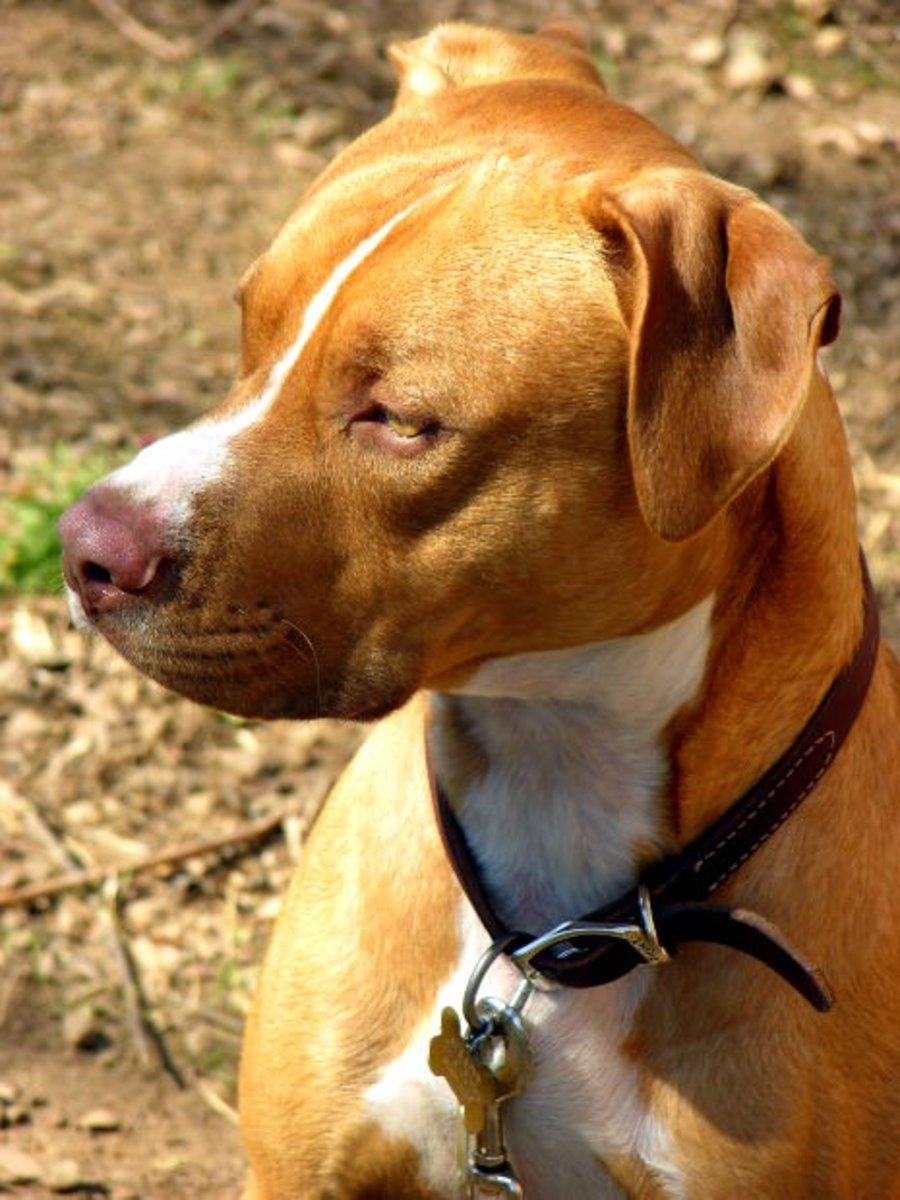
Socializing your pitbull puppy from an early age is crucial to prevent aggression and fearfulness. Expose them to various people, animals, and environments in a positive and controlled manner. Encourage positive interactions and reward them for calm behavior. This will help your pitbull puppy become well-adjusted and friendly.

Positive Reinforcement
Positive reinforcement is the most effective training method for pitbull puppies. Use treats, praise, and rewards to encourage desired behaviors. Avoid punishment or harsh techniques as they can lead to fear and aggression. Consistency, patience, and positive reinforcement will yield better results and strengthen the bond with your pitbull puppy.

Exercise and Mental Stimulation
Pitbull puppies are energetic and require regular exercise and mental stimulation. Engage them in activities like daily walks, playtime, and interactive toys. Physical exercise and mental challenges will help prevent boredom and destructive behaviors. A tired puppy is a well-behaved puppy.
Conclusion
Training pitbull puppies is a rewarding journey that requires time, dedication, and patience. Start early, be consistent, and use positive reinforcement techniques to shape their behavior. Remember to provide them with proper socialization, exercise, and mental stimulation. By investing in their training, you will raise a well-behaved and loving pitbull companion for years to come.
