
Introduction
Watercolour paintings have a unique charm and appeal, and when it comes to capturing the innocence and beauty of dogs and puppies, they can truly bring these furry friends to life on paper. In this article, we will explore the world of dogs and puppies watercolour paintings, their techniques, and the joy they bring to both artists and dog lovers.
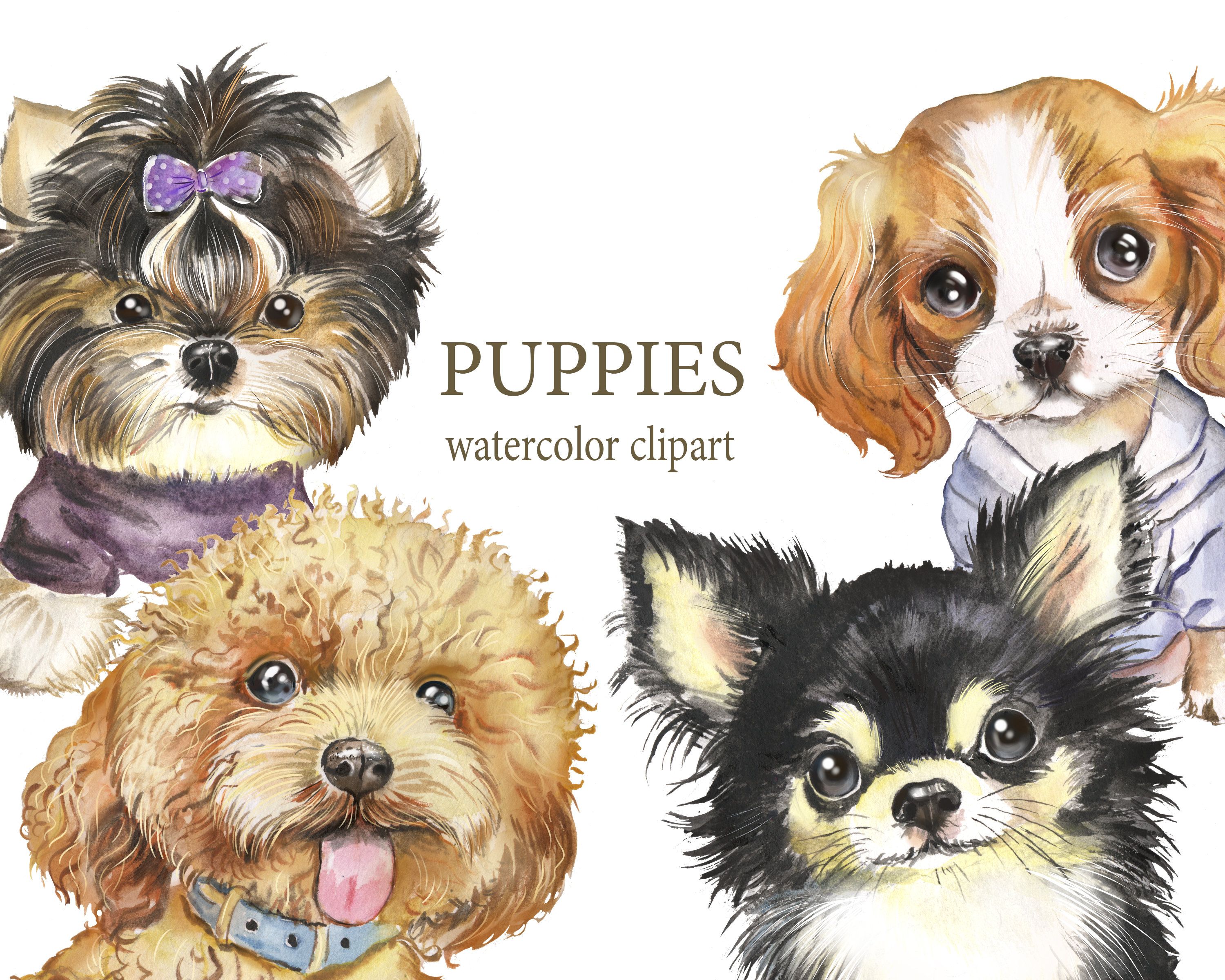
The Beauty of Dogs and Puppies in Watercolour
Watercolour is a versatile medium that allows artists to create soft and ethereal images, perfectly suited to capture the gentle nature of dogs and puppies. The transparency and fluidity of watercolours enable artists to create delicate brushstrokes that evoke a sense of lightness and grace in their paintings.

Choosing the Right Reference Photo
When starting a watercolour painting of a dog or puppy, choosing the right reference photo is crucial. The photo should have clear details, good lighting, and a composition that highlights the subject's personality. It's important to select a photo that resonates with you and captures the essence of the dog or puppy you want to paint.

Materials Needed for Dogs and Puppies Watercolour
Before starting a watercolour painting, it's essential to gather the right materials. Here are the basic supplies you'll need:
- Watercolour paints in various shades
- Watercolour brushes in different sizes
- Watercolour paper or sketchbook
- Palette for mixing colours
- Water container
- Masking fluid (optional)

Techniques for Dogs and Puppies Watercolour
Watercolour techniques can vary depending on the desired effect and style of the painting. Here are some techniques commonly used for dogs and puppies watercolour:
- Wet-on-Wet Technique: This technique involves wetting the paper first and then applying wet paint, allowing the colors to blend and create soft edges.
- Dry Brush Technique: Using a minimal amount of water, this technique creates textured brushstrokes and adds details to fur and facial features.
- Layering Technique: Layering multiple washes of colors creates depth and richness in the painting. It involves applying translucent layers of paint, allowing each layer to dry before adding the next.

Creating Realistic Fur
One of the most important aspects of painting dogs and puppies in watercolour is capturing the texture and appearance of their fur. Here's how you can create realistic fur:
- Start with light washes: Begin with lighter shades and gradually build up the layers, paying attention to the direction and flow of the fur.
- Use dry brush technique: Add texture and details to the fur by using the dry brush technique mentioned earlier.
- Leave white spaces: Leaving small areas of the paper untouched creates the illusion of highlights and adds depth to the fur.

Adding Expression to the Eyes
The eyes of a dog or puppy can convey a range of emotions, and capturing them accurately is crucial for a lifelike painting. Here are a few tips for adding expression to the eyes:
- Focus on the highlights: The reflection of light in the eyes creates a sense of life. Pay attention to the highlights and use lighter shades to capture them.
- Shading and shadows: Use darker shades to add depth and create shadows around the eyes, giving them a more realistic appearance.
- Pupil and iris: Pay attention to the shape and size of the pupil and iris, as they contribute to the overall expression of the dog or puppy.
Background Options for Dogs and Puppies Watercolour
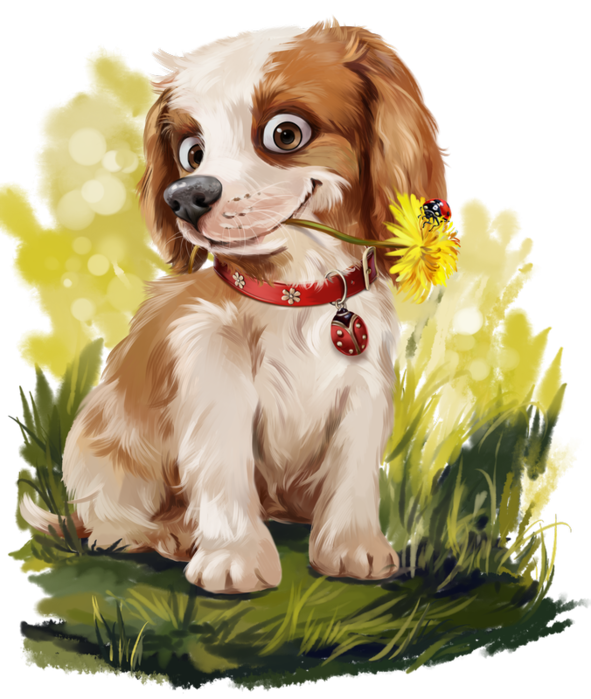
Choosing the right background for your dog or puppy watercolour painting can enhance the overall composition. Here are a few background options to consider:
- Simple wash: A soft and subtle wash of color can provide a clean and minimalistic background, allowing the focus to remain on the subject.
- Natural environment: Placing the dog or puppy in a natural setting, such as a park or garden, adds context and enhances the story of the painting.
- Abstract background: Adding an abstract background with vibrant colors or patterns can create a more contemporary and artistic feel.

The Joy of Dogs and Puppies Watercolour
Painting dogs and puppies in watercolour is not only a creative and fulfilling activity for artists but also a way to celebrate the love and joy these animals bring into our lives. The process of capturing their innocence and playfulness on paper can be a therapeutic and heartwarming experience.

Conclusion
Watercolour paintings of dogs and puppies have a timeless appeal and can beautifully capture the essence of these beloved pets. By using the right techniques, choosing suitable reference photos, and paying attention to details such as fur and eyes, artists can create stunning watercolour portraits that showcase the unique personality and charm of each dog or puppy. So grab your brushes, paints, and reference photos, and embark on a creative journey to bring these furry friends to life on paper.
