
Introduction
Welcoming a pitbull puppy into your home can be an exciting and rewarding experience. At 3 months old, these adorable pups are at a crucial stage of their development. In this article, we will guide you through the care, training, and socialization of pitbull puppies at 3 months to ensure a healthy and well-rounded companion.

Physical Development
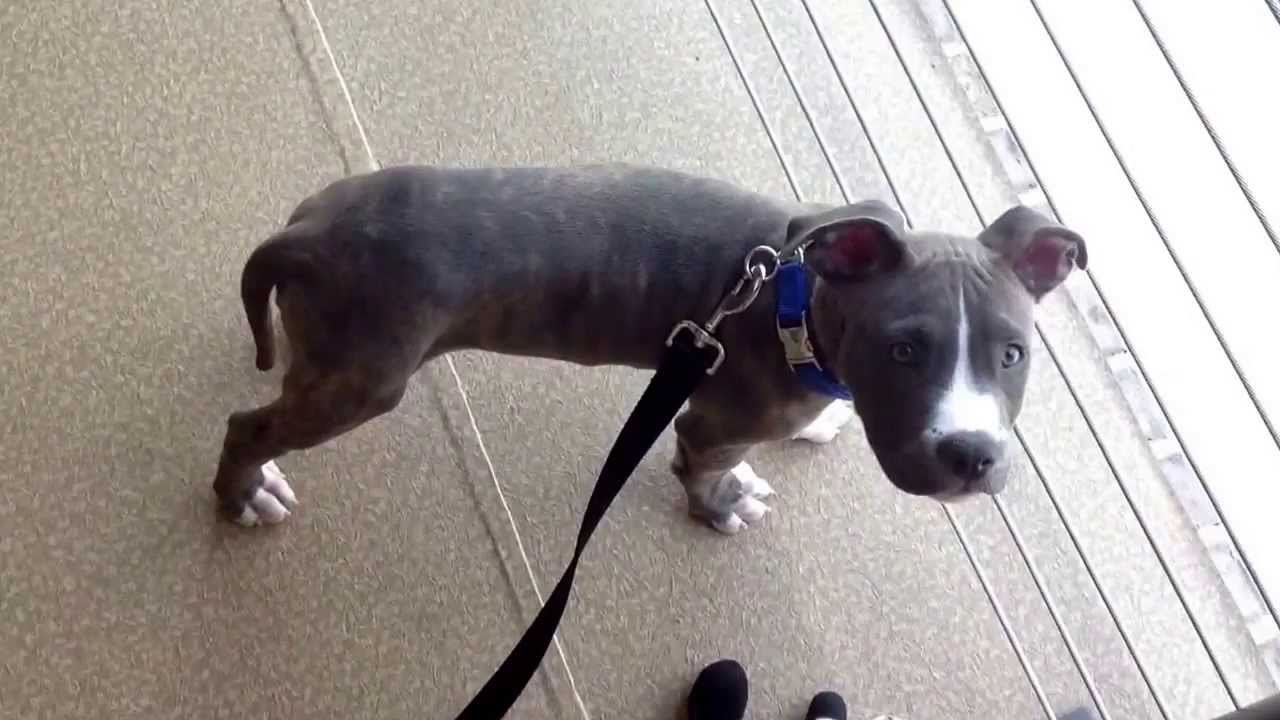
At 3 months, pitbull puppies are growing rapidly. Their weight and height will increase significantly during this stage. It's important to provide them with a balanced diet to support their growth. High-quality puppy food rich in protein and essential nutrients is ideal for their development.
Diet and Nutrition
Proper nutrition is crucial for the health and well-being of your pitbull puppy. At 3 months, they should be fed three to four times a day. Consult with your veterinarian to determine the appropriate portion size and type of food for your puppy's specific needs. It's essential to provide fresh water at all times to keep them hydrated.

Exercise and Playtime
Pitbull puppies are bundles of energy, and regular exercise is vital for their physical and mental well-being. Engage them in age-appropriate activities such as short walks, interactive play sessions, and puzzle toys. Be cautious not to overexert them, as their joints are still developing.

Training and Socialization
At 3 months, pitbull puppies are highly receptive to training and socialization. Start with basic obedience commands like sit, stay, and come. Use positive reinforcement techniques such as treats, praise, and play to motivate them. Introduce them to various environments, people, and other animals to promote their social skills.
Potty Training
Potty training is an essential aspect of raising a pitbull puppy. Establish a routine for bathroom breaks and be consistent with it. Take them outside after meals, naps, and playtime. Reward them with praise and treats when they eliminate in the designated area. Be patient and understanding during the learning process.
Grooming Needs
Pitbull puppies have short coats that are relatively low-maintenance. Regular brushing helps keep their fur clean and reduces shedding. Check their ears weekly for signs of infection and clean them gently with a veterinarian-recommended solution. Trim their nails regularly to prevent discomfort or injury.
Healthcare
Regular veterinary check-ups are vital for the health of your pitbull puppy. At 3 months, they should receive their second round of vaccinations to protect against common diseases. Discuss with your vet about preventive measures for parasites, such as fleas, ticks, and heartworms. They can also provide guidance on spaying or neutering your pup.

Safety Concerns
Creating a safe environment is crucial for your pitbull puppy's well-being. Secure hazardous items, keep toxic substances out of reach, and use childproof latches on cabinets. Provide them with a comfortable and safe space, such as a crate or designated area, where they can retreat and relax. Supervise them during playtime with children or other pets.
Conclusion
Taking care of a pitbull puppy at 3 months requires dedication, patience, and love. By providing them with proper nutrition, training, socialization, and healthcare, you can ensure they grow into happy and well-adjusted adult dogs. Enjoy this precious stage of their development and cherish the memories you create together.
